

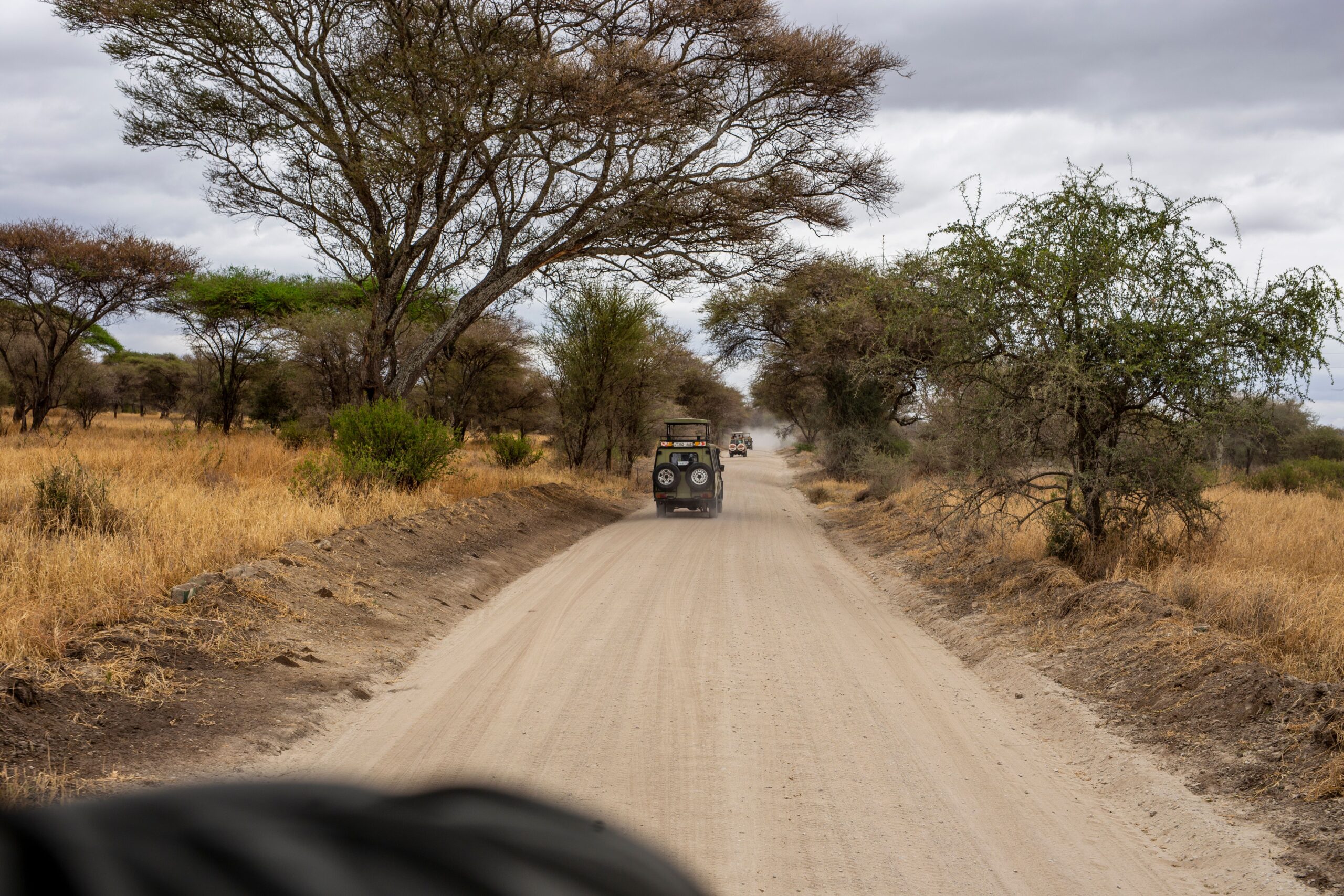
Packing for a Tanzania safari is simpler than most first-timers expect — you need practical layers, sun protection, and reliable footwear, not a trunk of formal outfits. The goal is comfort in a dusty open-roof vehicle, modest dress at lodges, and light luggage that fits bush-flight rules if you fly into the Serengeti.
This packing list covers clothing, gear, health items, documents, and what to leave at home. Pair it with our 7-day northern circuit guide for daily rhythm and our Great Migration calendar for seasonal weather. Ready to travel? Browse safari packages or book your trip.
Pack light, pack soft, pack neutral. Road safaris allow more weight than charter flights, but one soft duffel per person still makes vehicle packing easier. Colors should blend with the bush — khaki, olive, stone, and brown — not bright white (stands out to wildlife) or camouflage (discouraged or restricted). Layers beat one heavy coat: mornings near the Ngorongoro rim can be cold; afternoons on the Serengeti floor are warm.
Assume dust. Fine red dust finds every zipper. Bring a scarf or buff, lens cloths, and shoes you do not mind scuffing.
Pack three to four short-sleeve shirts and two long-sleeve shirts for sun and insect coverage. A light fleece or warm mid-layer is essential June–August. A packable rain jacket helps in green season (March–May, November). Avoid noisy synthetic fabrics that rustle during quiet wildlife moments.
Two pairs of safari trousers or hiking pants plus one comfortable shorts pair for lodge afternoons. Zip-off pants are practical. Dark jeans work for evenings in town but are hot on long drives — prefer breathable fabrics.
Sturdy closed-toe shoes or light hiking boots for getting in and out of the vehicle on uneven ground. Break them in before departure. Sandals or flip-flops for shower and pool only. Optional gaiters in tall grass on walking safaris.
Wide-brim hat with a chin strap — open vehicles mean wind. Polarized sunglasses reduce glare on waterholes. A buff or bandana covers mouth and nose on dusty tracks. Belt, small daypack or dry bag for camera gear.
Sunscreen SPF 30+ (reef-safe if you continue to Zanzibar), lip balm with SPF, moisturizer, insect repellent with DEET or picaridin for evenings, hand sanitizer, travel-sized shampoo, toothbrush, and any prescription medications in original bottles with copies of prescriptions. Lodges usually provide soap and towels; luxury properties add more.
Feminine hygiene products are available in Arusha but less predictable in remote camps — bring what you need. Wet wipes are invaluable on long morning drives before bathroom stops.
Carry passport, printed e-visa if applicable, travel insurance documents, vaccination certificate if required, and a photocopy or secure digital backup. USD in small bills helps for visas, tips, and souvenirs; local shillings for small purchases. Notify your bank before travel.
Consult a travel clinic on yellow fever, typhoid, hepatitis A, and malaria prophylaxis. Pack a basic first-aid kit: plasters, antiseptic, pain reliever, anti-diarrhea tablets, rehydration salts, and any personal meds. Safari vehicles carry kits but personal supplies save time.
Binoculars are the single best upgrade after good shoes. Aim for 8×42 waterproof models. For cameras, a telephoto zoom (100–400mm or similar) covers most wildlife. Bring two batteries per camera, fast memory cards, a dust cover or pillowcase for lens changes, and a bean bag or window mount for stability in the vehicle.
Phones work for landscapes and close subjects; do not rely on digital zoom for distant cats. Drones require national park permits and are often restricted — leave unless pre-approved.
Universal adapter (Type D/G), phone cable, power bank for long days, and optionally a multi-port USB charger. Lodges run generators or solar — power may switch off overnight. Voltage is 230V. Download offline maps, e-books, and entertainment for transfer days.
Road-only circuits tolerate slightly more gear in soft bags. Serengeti flights on small aircraft typically enforce 15 kg including hand luggage and refuse hard suitcases. Pack a foldable duffel inside a checked bag if you need a town suitcase in Arusha storage. Our 7-day northern circuit team confirms limits when flights are included.
Dry season (June–October): warmer days, cold dawn drives — extra fleece, lip balm, and lotion for dry air. Green season (November–May): rain jacket, quick-dry clothing, waterproof bag liner, and stronger insect repellent at dusk. See migration and season timing when choosing travel month.
Most safari lodges supply bed linen, towels, basic toiletries, meals on full-board packages, and filtered drinking water in vehicles. You usually do not need sleeping bags, food, or cooking gear on lodge safaris. Camping expeditions are different — we specify gear lists when applicable.
Leave expensive jewelry, flashy watches, and unnecessary electronics in safe storage. Avoid camouflage-pattern clothing. Do not pack hard-shell roller bags for fly-in legs. Excessive formal wear is unused — one smart casual outfit suffices for upscale lodge dinners.
Plastic bag bans apply in Tanzania — use reusable pouches. Single-use plastic may be confiscated at entry points.
Families should add snacks familiar to children, entertainment for transfers, child-sized binoculars, and extra layers — kids feel temperature swings on open vehicles. Photographers add sensor cleaning kits, laptop or tablet for backup, and gray card optional. Weight limits bite hardest on photographers — prioritize one versatile zoom over multiple primes if flying.
Lay everything out, remove one-third you will not use, and roll soft items to save space. Keep medications, documents, and one change of clothes in carry-on. Confirm baggage rules with us when your itinerary includes domestic flights on the northern circuit or longer routes.
For seven lodge nights, three shirts and two trousers often suffice with laundry mid-week. Add one warm layer and one rain shell. Undergarments for four to five days rotate with laundry. Socks: two walking pairs plus one lounge pair.
Bring prescription drugs in labeled containers plus a doctor letter for controlled substances. Anti-nausea tablets help on winding crater roads. Antihistamines address dust. Rehydration sachets recover from sun. Arusha pharmacies stock basics but not every brand.
Lodges provide filtered water in vehicles. Vegetarian, vegan, and allergy diets work when we know at booking. Pack snack bars if you have strict needs for long morning drives.
Binoculars can be rented in Arusha if forgotten — test quality first. Skip sleeping bag liners on lodge safaris. Prioritize optics and footwear over drones.
Keep insurance number, passport copy, and e-visa in a waterproof daypack pouch. Medical evacuation cover is recommended for remote areas.
Pack fleece, beanie, and light gloves for June–August crater mornings. One mid-layer plus windbreaker beats a bulky winter coat.
Hard suitcases on bush flights get refused. White shirts stand out on walks. Unbroken shoes cause blisters. Forgetting adapters kills camera batteries on the best sightings. Pack light and soft.
Keep a small daypack at your feet: sunscreen, lip balm, insect repellent, hand sanitizer, wet wipes, phone, camera with charged battery, binoculars, light fleece, and your document pouch. Snacks optional — guides often carry water and sometimes bush breakfast kits on long mornings.
Put medications, one outfit, chargers, and documents in carry-on. Checked soft duffel holds everything else. If a bag is delayed in Europe or the Gulf hubs, you can still start safari while laundry handles the rest at lodge one. Tag bags inside and out with cell number and email.
High-altitude sun near Ngorongoro burns faster than guests expect. Reapply sunscreen after a few hours in an open vehicle. Lip balm with SPF prevents cracked lips in dry wind. Leave-in conditioner helps with dust-tangled hair; a hat line prevents scalp burn better than sunscreen alone.
Add swimwear, reef-safe sunscreen, light cotton cover-ups, and sandals after bush legs on combo trips. Keep safari dust gear separate in a dry bag so beach clothes stay clean. Many guests wear the same neutral shirts on coast restaurants — formal heels are unnecessary.
Some lodges have Wi‑Fi but speeds vary. A laptop, noise-canceling earbuds, and power bank help if you must email between drives — though we encourage unplugging. Download offline files before leaving Arusha; do not rely on camp bandwidth for uploads.
Run through this list after you confirm your safari dates — our team sends a final briefing with meeting times and emergency numbers from Arusha.
Less luggage means faster camp transfers, easier vehicle loading on narrow tracks, and less stress when small aircraft weigh bags before Serengeti flights. Laundry at lodges every two to three nights lets you repeat favorites instead of overpacking. Guests who arrive with one soft bag spend more energy on wildlife and less on repacking — the goal of every thoughtful packing list.
Cross-read our 7-day itinerary guide for daily rhythm and migration calendar for seasonal layers so your bag matches the month you travel, not a generic Africa template.
Still unsure about an item? Message us when you book your safari — we answer packing questions daily from Arusha and tailor advice to your lodges, flights, and travel month.
Game drives: hat, sunscreen, binoculars, camera, fleece, buff. Lodge evenings: casual-smart outfit, insect repellent, sandals. Crater morning: warm layer, gloves optional. Bush flight: soft bag under 15 kg. Beach extension: swimwear and reef-safe sunscreen in a separate pouch. Save this mental checklist when you lay out gear the night before departure — it catches the small items that are easy to forget but hard to replace in remote camps.
Print or screenshot this guide before you fly. Review it against your confirmation email from Tanzania Safari Trip — lodge tier, domestic flights, and season all change what belongs in your bag. When in doubt, pack less and plan to wash more.
Sports bras and breathable underwear reduce discomfort on bumpy tracks. A sarong works as shoulder cover in villages, extra sun shade, or lodge wrap. Hair ties and dry shampoo help when shower timing is tight between drives. Menstrual cups or tampons should be stocked in Arusha — remote camps may not carry your preferred brand.
Evenings are casual-smart: clean trousers and a collared shirt or simple dress. No black-tie expectations unless you booked ultra-luxury properties. Mosquitoes appear at dusk — light long sleeves and repellent before outdoor dinners. Some camps gather around the fire for briefing; bring a warm layer for crater highlands.
Add child-sized binoculars, a compact camera they can use, favorite snacks, light books or offline games for transfers, and a sun hat that stays on. Extra zip-lock bags protect devices from dust. If traveling the 7-day northern circuit, pack entertainment for drives longer than two hours between parks.
Use hotel safes in Arusha for spare cash and backup cards. On safari, carry only what you need that day. Money belts are optional — vehicles are generally secure with trusted guides. Photograph luggage contents and serial numbers before departure for insurance.
Wood carvings, Tinga Tinga paintings, and Maasai beadwork tempt every traveler. If you shop in Arusha at the end, pack a foldable bag; otherwise ask shops about shipping — many arrange freight for an extra fee. Avoid buying coral, ivory, or protected wildlife products — they are illegal and unethical.
5–7 days: carry-on plus one soft duffel; plan laundry on night three. 10–14 days: same bag if you laundry twice; add spare shoes only if you visit coast (sandals) after bush. Migration peak: extra lens cloths and allergy meds if dust sensitive — see seasonal guide.
Pack small USD notes in a zip pouch separate from daily wallet. Guides, drivers, and camp staff appreciate tips at trip end; lodge porters expect a small amount per bag. Having fives and tens ready avoids awkward last-day scrambles in Arusha.
Every item you skip is one less thing to dust off. Safari is not a fashion show — it is dawn light on a lioness and the quiet of the crater floor. Pack for function, respect weight limits on fly-in safaris, and save suitcase space for memories. When your bag is ready, confirm baggage rules with our team against your confirmed itinerary.
Neutral colors — khaki, olive, tan, and brown. Avoid bright white and camouflage. Layers work for cool mornings and warm afternoons.
One soft duffel up to 15–20 kg for road safaris. Bush flights often limit to 15 kg in soft bags — no hard suitcases on small planes.
Light hiking shoes or sturdy trainers are enough for vehicle-based safaris. Break them in before travel. Sandals are fine at lodges only.
Yes. A good 8×42 pair transforms distant sightings. Guides have binoculars but sharing slows action.
Telephoto lens (200mm minimum, 400mm+ ideal), spare batteries, dust protection, and extra memory cards. Phone video works for close encounters.
Most mid-range and luxury lodges offer laundry (sometimes complimentary). Pack light and wash mid-trip.
Many travelers take prophylaxis for Tanzania. Consult your doctor — we do not give medical advice.
Yes in vehicles and lodges. Long trousers help on bush walks and against evening insects.
Avoid camouflage clothing (restricted in some countries), excessive jewelry, drones without permits, and hard suitcases for fly-in legs.
Tanzania uses Type D/G outlets, 230V. Bring a universal adapter and a power bank for long drive days.
Questions about gear or flights on your route? Contact us when you book — we tailor advice to your exact safari package and season.
[…] timing with our 7-day northern circuit guide for park flow and packing list for seasonal clothing — green season vs dry season changes what you bring as much as what you […]
7-Day Northern Circuit Safari Guide | Tanzania Safari Trip
July 10, 2026[…] This guide explains what to expect day by day, how drives and game drives are paced, what wildlife you are likely to see, and how to prepare. If you are ready to book, see our 7-Day Northern Circuit Safari package or request a custom quote. For seasonal timing, read when to see the Great Migration; for gear, use our Tanzania safari packing list. […]