

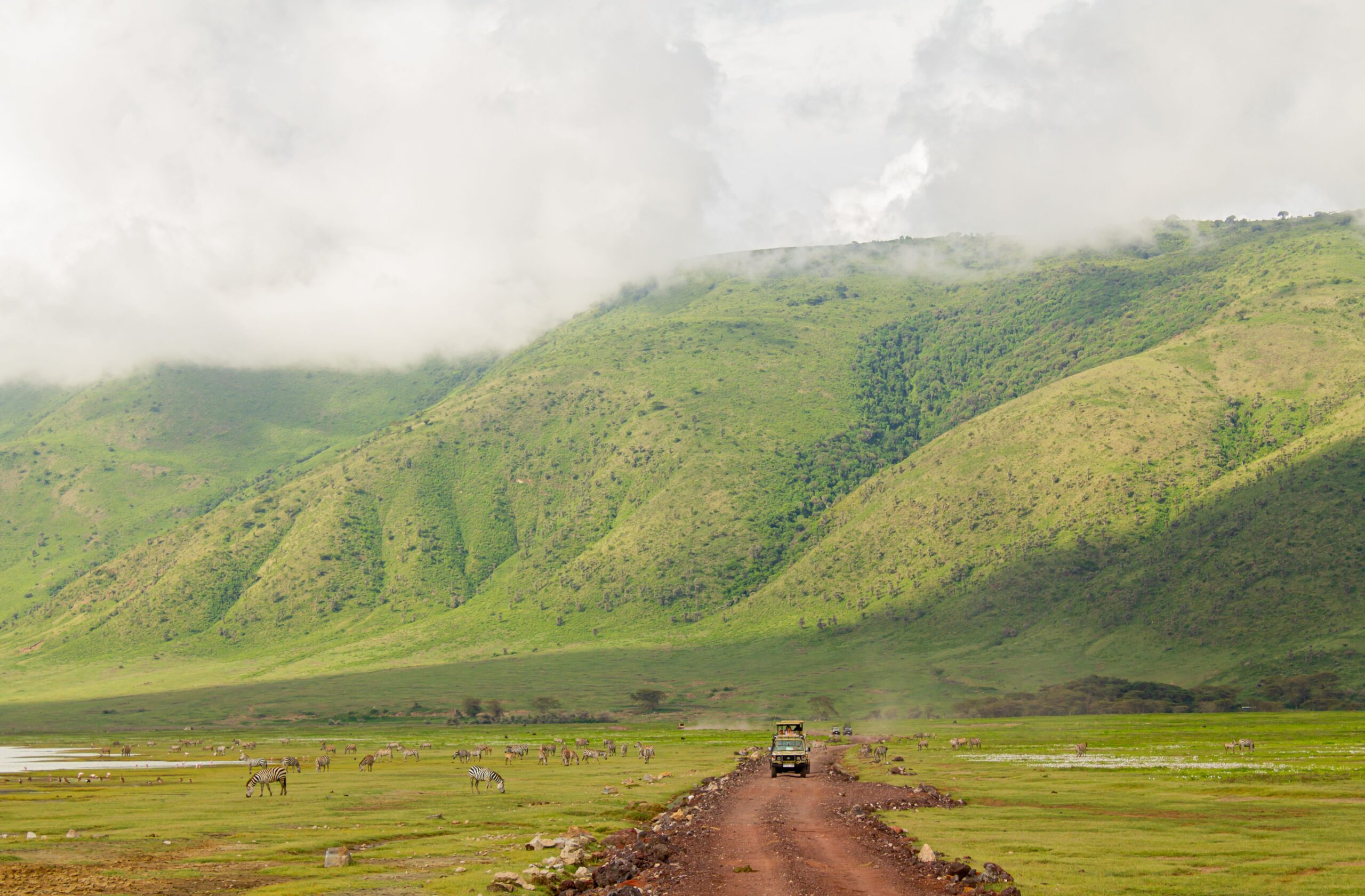
A 7-day northern circuit safari is the classic first-time Tanzania itinerary — enough time to see elephants under baobabs in Tarangire, descend into the wildlife-rich Ngorongoro Crater, and spend multiple days on the Serengeti plains without feeling rushed. In one week you cover three of Africa’s most famous parks, sleep in comfortable lodges or tented camps, and return home with photographs and stories that last a lifetime.
This guide explains what to expect day by day, how drives and game drives are paced, what wildlife you are likely to see, and how to prepare. If you are ready to book, see our 7-Day Northern Circuit Safari package or request a custom quote. For seasonal timing, read when to see the Great Migration; for gear, use our Tanzania safari packing list.
The northern circuit clusters Tanzania’s headline parks within reasonable driving distance of Arusha. Unlike multi-country trips that burn days on border crossings, a week here means most mornings start with wildlife, not airports. Tarangire delivers elephant density and baobab scenery in a compact park. Ngorongoro packs an extraordinary concentration of animals into a single crater floor. Serengeti rewards longer stays because predators and herds move with the seasons — two or three full days there make the difference between a snapshot and a real safari rhythm.
Seven days also balances cost and vacation time for international travelers. Shorter trips often skip Serengeti depth; longer trips add beach extensions or remote southern parks. For many visitors planning their first Tanzania safari, the northern circuit is the sweet spot.
Exact routing varies by lodge contracts and whether you fly into Serengeti or drive. Below is a representative flow used on our 7-day package. Your guide adjusts daily plans around sightings, weather, and park gate hours.
After pickup in Arusha, you drive southwest to Tarangire (about two to three hours depending on traffic and lodge). An afternoon game drive introduces the safari rhythm: open-roof 4×4, packed lunch or lodge meal, and your first elephant herds among ancient baobabs. Tarangire is quieter than Serengeti but famous for elephants and dry-season wildlife along the Tarangire River. Overnight near the park boundary.
A morning drive catches predators and browsers active in cooler hours. You may see lion, leopard if lucky, giraffe, zebra, and prolific birdlife — hornbills, lovebirds, and raptors. After lunch you begin the scenic transfer toward the Ngorongoro highlands, climbing through farmland and viewpoints. Evening at a lodge on the crater rim or Karatu town, where cooler air is a welcome change from the lowlands.
Early descent into the crater — a UNESCO World Heritage site and one of the densest wildlife areas on earth. On the floor you look for black rhino, large lion prides, hippo pools, flamingos on Lake Magadi, and buffalo in open grassland. Crater rules limit time and vehicles, so starting early matters. You exit by afternoon and continue toward Serengeti or overnight en route depending on your route.
Crossing into Serengeti is a milestone — endless plains and the sense of scale that defines East African safari. En-route game viewing often produces cheetah on termite mounds, kopje lions, and scattered herds. You reach your camp or lodge in central or southern Serengeti (season-dependent) for sunset and a bush dinner.
A full day on the plains: morning and afternoon drives with a midday break. Depending on month, you may be near migration columns, predator territories, or resident herds. Guides read tracks and radio tips to position you for crossings, kills, or relaxed elephant families. This is the day photographers treasure — golden light, long lenses, and unhurried pauses at waterholes.
Another full day allows deeper exploration of areas you missed or a return to a productive valley. Hot-air balloon safaris (optional, pre-booked) offer a dawn perspective over the plains before a champagne bush breakfast. Without a balloon, a dawn drive still delivers high-action hours when cats hunt and grazers move to water.
A short final game drive captures last sightings before you transfer to the airstrip or begin the road journey back toward Arusha/Kilimanjaro Airport. Many guests fly Serengeti–Arusha to avoid a long closing-day drive. We coordinate timing with your international flight buffer.
Tarangire is the elephant park. In dry season, herds congregate along the river while predators follow. Baobab silhouettes and fewer crowds than Serengeti make it ideal for unhurried photography. Birders count hundreds of species in a single stay.
The crater is a natural amphitheater roughly 600 meters deep and 260 square kilometers on the floor. Black rhino sightings are more reliable here than in many East African parks. The trade-off is popularity — early starts beat midday congestion.
Serengeti is the soul of the circuit — vast, seasonal, and never the same twice. The Great Migration moves through the ecosystem; resident lions, cheetah, and leopard hold territories year-round. Two full days minimum is our recommendation; three is better during peak migration months. See our migration timing guide for month-by-month positioning.
Expect early starts. Wildlife is most active from dawn until roughly 10 a.m., when heat pushes animals into shade. You return to camp for lunch and rest — read, journal, swim if the lodge has a pool — then head out again around 3–4 p.m. for sunset light. Evenings are relaxed: dinner, briefing for the next day, and early bed. This rhythm is intentional; fighting it means missing the best sightings.
Guides carry spare water, reference books, and often a picnic breakfast for long mornings. Toilet stops happen at designated sites or back at camp. Dust is normal — pack a bandana or buff (see our packing list).
Northern circuit properties range from mid-range lodges with pools and Wi‑Fi to classic tented camps with en-suite bathrooms and proper beds. “Camping” on a packaged safari rarely means sleeping on the ground in a small tent — it means canvas roofs with hotel-style amenities inside the parks. We match lodging to your budget and style on the 7-day itinerary.
Crater rim lodges offer dramatic views but cold nights; Serengeti camps put you closer to wildlife sounds — hyena whoops and distant lion roars. Both are part of the experience.
No safari guarantees every species, but the northern circuit consistently delivers the Big Five: lion, leopard, elephant, buffalo, and rhino (Ngorongoro). You should also expect zebra, wildebeest, giraffe, hippo, crocodile, hyena, jackal, warthog, and diverse antelope — impala, Thomson’s gazelle, eland, and more. Birders add ostrich, secretary bird, vultures, eagles, and colorful bee-eaters.
Cheetah are common on Serengeti plains; wild dog are rare but possible. Guides know recent den sites and river crossing points — another reason private vehicles matter.
June through October is peak dry season: grass is short, animals gather at water, and skies are clear. Prices and lodge availability tighten — book early. January through March is greener with dramatic skies and calving season in southern Serengeti — excellent for predators and fewer vehicles in some areas. April–May is long rains; some camps close, but bargains exist for flexible travelers.
Match your dates to goals: migration river crossings peak mid-year in the north; wildebeest calves arrive in early year. Our Serengeti migration calendar breaks this down month by month.
Published rates for our 7-day package start around $2,850 per person and move with season, lodge tier, group size, and whether you fly within the circuit. Inclusions typically cover park fees, guide and vehicle, accommodation, and most meals on safari days. Extras often include international flights, visas, tips, drinks, balloon rides, and travel insurance.
Private safaris cost more per person than joining a small group, but families and couples often prefer the flexibility. Peak month surcharges reflect lodge demand — traveling shoulder season can save substantially without sacrificing wildlife.
Confirm passport validity (six months beyond travel is standard advice), visa or e-visa, and yellow fever requirements if arriving from endemic countries. Consult your doctor on malaria prophylaxis and routine vaccines. Pack neutral clothing layers, sun protection, binoculars, and a telephoto lens if you photograph wildlife — full details on our packing list.
Download offline maps, carry USD for visas and tips, and notify your bank of travel. We send a pre-departure briefing with meeting points, baggage limits on bush flights, and emergency contacts.
First-time Africa visitors, couples, families with school-age children, and photographers with one week off all fit well. You want the greatest hits without logistics stress. Consider extending if you also want Zanzibar beaches, chimp trekking at Mahale, or southern circuit parks like Ruaha — those need extra days beyond seven.
Browse all Tanzania safari packages to compare length and style, or book a consultation and we will map dates to migration and lodges.
Think in layers: international flights, safari package (lodges, parks, guide, vehicle), visas and insurance, tips (budget $15–25 per person per day for guide and camp staff), drinks and souvenirs, and optional balloon ($500+ per person). Our package from $2,850 covers core land arrangements. Couples double land costs; families may get child rates on some properties.
USD is common for tours; local shillings help for snacks in Arusha. Credit cards work at larger lodges but carry cash backup for remote camps.
No marathon fitness required — you sit in a vehicle most of the day. But early starts, uneven ground at stops, and occasional bumpy tracks reward basic mobility. If you have back issues, request seat cushions when booking. Rest days are built into lodge midday breaks; pace yourself the first two mornings.
Most international guests fly into Kilimanjaro International Airport (JRO), roughly one hour from Arusha, or connect through Dar es Salaam and continue domestically. We arrange pickup at JRO or your Arusha hotel on day one. If you arrive early, an extra night in Arusha recovers from jet lag before dawn game drives begin — worth it after long-haul flights from Europe or North America.
Road transfers between parks use pop-up roof 4×4 Land Cruisers or similar with charging ports, cooler boxes, and shade covers. Distances feel longer on rough sections; treat transfer days as part of the scenery — Maasai bomas, highland forests, and Rift Valley viewpoints appear between parks.
Private safaris give you the vehicle, guide, and daily schedule. Stop for as long as a leopard demands, skip a crowded viewpoint, or linger for sunset without consulting other travelers. Couples, families, and photographers usually prefer this — and it is how our 7-day package is structured.
Join-in groups lower per-person cost but fix departure dates and pace. You may wait while others board or compromise on extra minutes at a sighting. For a once-in-a-lifetime week, private travel is the better experience for many guests.
Stay inside the vehicle unless guides approve a designated stop. Keep voices low near predators and never stand through the roof near dangerous animals. Do not litter — pack out all waste. Ask before photographing local people; many Maasai villages welcome visits with arranged fees that support the community.
Tipping is customary: guides, camp staff, and lodge porters. We provide guideline amounts in your pre-departure notes. Respect park speed limits and off-road rules — guides follow them to protect grasslands and avoid stress on wildlife.
Best light is the first and last hour of each drive. Midday harsh sun flattens images — use that window for rest, not frustration. Bring a telephoto lens and a wide angle for landscapes with acacia silhouettes. Dust kills sensors; change lenses only in sheltered spots. Bean bags steady long lenses on window sills.
Migration season adds chaos and reward: river crossings are fast — burst mode and patience required. Read our migration timing article and packing list for gear specifics before you fly.
One week fills the northern circuit only. Kilimanjaro trekking needs additional days and acclimatization. Zanzibar beach extensions pair well after safari but require a longer total trip — see our combo packages on the safaris hub. Lake Manyara tree-climbing lions and Lake Natron flamingos are optional add-ons if you extend beyond seven days.
Tell us your total vacation length when you book; we sequence parks and flights so you do not sacrifice Serengeti time for a rushed beach finale.
Yes. Seven days fits Tarangire, Ngorongoro Crater, and Serengeti without rushing. First-time visitors see the Big Five, varied landscapes, and enough downtime at lodges.
Tarangire, Lake Manyara or a scenic transfer day, Ngorongoro Conservation Area, and Serengeti National Park. Order depends on lodge locations and flight times.
Our package starts from about $2,850 per person depending on season, lodge level, and group size. Peak months and luxury upgrades increase the total.
Wake before sunrise for a game drive, rest at camp midday, then an afternoon drive before sunset. Guides adjust timing around wildlife and weather.
Most international visitors need a visa or eligible e-visa. Requirements vary by nationality — confirm before you travel.
Yes with planning. Choose family lodges, limit long drive days, and build in pool or rest time. We tailor pacing for children of different ages.
Elephant, lion, leopard, buffalo, and rhino in Ngorongoro, plus zebra, wildebeest, giraffe, hippo, cheetah, and hundreds of bird species.
Private 4×4 vehicles with your own guide are included on our tours so you control pace, stops, and photo time without sharing with strangers.
June through October is dry season with excellent game viewing. January to March is greener with calving in southern Serengeti. Both work well on the northern circuit.
A full northern circuit needs the full week. For bush and beach, consider our 10-day safari and Zanzibar combo package instead.
Ready to plan your week on the northern circuit? Book now or explore the full 7-Day Northern Circuit Safari itinerary with pricing and inclusions.
[…] timing with our 7-day northern circuit guide for park flow and packing list for seasonal clothing — green season vs dry season changes what […]
Tanzania Safari Packing List | What To Bring
July 10, 2026[…] list covers clothing, gear, health items, documents, and what to leave at home. Pair it with our 7-day northern circuit guide for daily rhythm and our Great Migration calendar for seasonal weather. Ready to travel? Browse […]